Beslenme dünyası hızla değişiyor ve bugün market raflarında gördüğünüz bazı ürünler birkaç yıl önce hiç bilinmiyor olabiliyor. Novel food yani yeni gıda kavramı da tam bu noktada karşınıza çıkıyor.

Novel food; yeni üretim teknolojileriyle geliştirilen, farklı kaynaklardan elde edilen veya belirli toplumlarda tüketilmesine rağmen daha geniş pazarlarda yeni kabul edilen gıdaları kapsıyor.
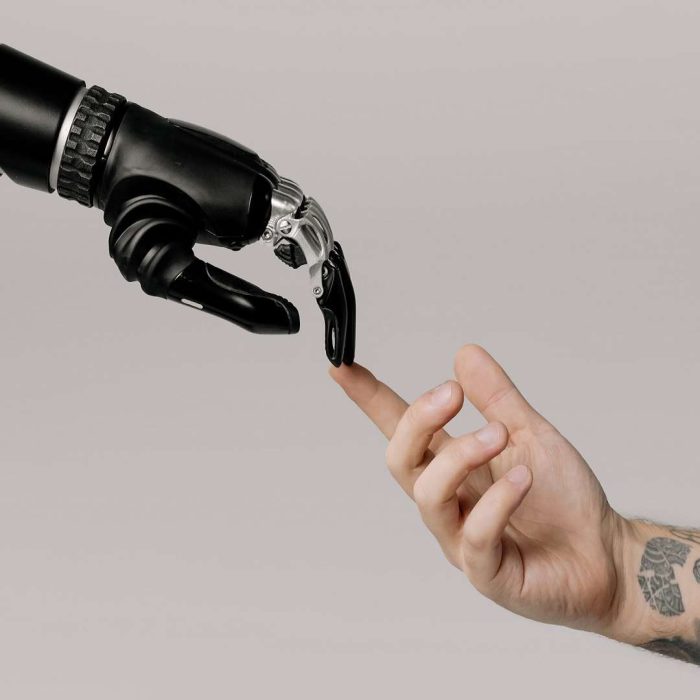
Bu gruba böcek proteinleri, kültür eti, mikroalgler, yeni bitkisel protein kaynakları ve bazı fonksiyonel bileşenler giriyor. Artan dünya nüfusu, sürdürülebilirlik ihtiyacı ve alternatif protein arayışları nedeniyle novel food ürünlerine olan ilgi giderek büyüyor. Özellikle çevresel etkisi daha düşük protein kaynakları, geleceğin beslenme modellerinde önemli bir yer edinmeye başlıyor.
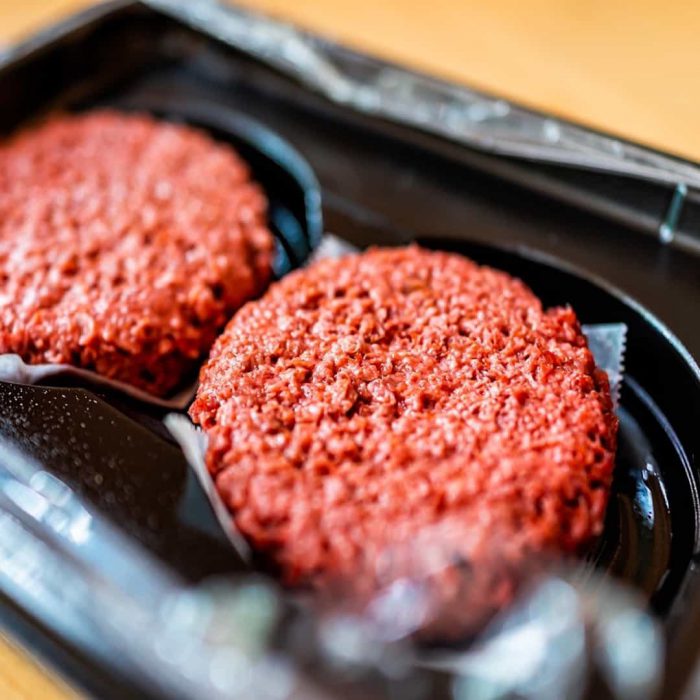
Bilimsel veriler, novel food ürünlerinin piyasaya sunulmadan önce kapsamlı güvenlik değerlendirmelerinden geçtiğini¹ gösteriyor. Avrupa Birliği’nde bu değerlendirmeler büyük ölçüde Avrupa Gıda Güvenliği Otoritesi tarafından yürütülüyor ve ürünlerin besin içeriği, toksisite potansiyeli, alerjen özellikleri ve tüketim güvenliği ayrıntılı olarak inceleniyor.
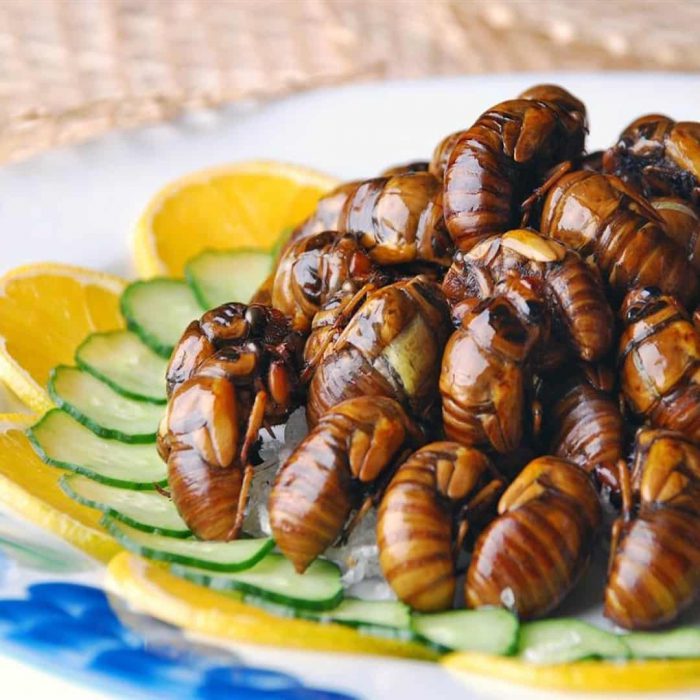
Öte yandan sürdürülebilir protein kaynaklarının gelecekte besin güvenliği ve beslenme çeşitliliğine katkı sağlayabileceği belirtiliyor.

Şenol Yıldız
Beslenme dünyasında her yeni ürün mucize anlamına gelmiyor. Novel food ürünleri geleceğin beslenmesine katkı sağlayabiliyor ancak her bireyin gereksinimi farklılık gösteriyor. Bu nedenle yeni nesil gıdaları tüketmeden önce ürün içeriğini dikkatle incelemeniz, alerji risklerini göz önünde bulundurmanız ve gerektiğinde bir diyetisyenle görüşmeniz önem taşıyor. Geleceğin besinleri sofralara geliyor; önemli olan yeniliği heyecanla değil, bilimsel verilerle değerlendirebilmek oluyor.
¹Ermolaos Ververis, Reinhard Ackerl, Domenico Azzollini, Paolo Angelo Colombo, Agnès de Sesmaisons, Céline Dumas, Antonio Fernandez-Dumont, Lucien Ferreira da Costa, Andrea Germini, Tilemachos Goumperis, Eirini Kouloura, Leonard Matijevic, Gabriela Precup, Ruth Roldan-Torres, Annamaria Rossi, Roman Svejstil, Emanuela Turla, Wolfgang Gelbmann, Novel foods in the European Union: Scientific requirements and challenges of the risk assessment process by the European Food Safety Authority, Food Research International, Volume 137, 2020, 109515, ISSN 0963-9969, doi.org/10.1016/j.foodres.2020.109515. sciencedirect.com/science/article/pii/S0963996920305408) Abstract: The European Food Safety Authority (EFSA) has been involved in the risk assessment of novel foods since 2003. The implementation of the current novel food regulation in 2018 rendered EFSA the sole entity of the European Union responsible for such safety evaluations. The risk assessment is based on the data submitted by applicants in line with the scientific requirements described in the respective EFSA guidance document. The present work aims to elaborate on the rationale behind the scientific questions raised during the risk assessment of novel foods, with a focus on complex mixtures and whole foods. Novel foods received by EFSA in 2003–2019 were screened and clustered by nature and complexity. The requests for additional or supplementary information raised by EFSA during all risk assessments were analyzed for identifying reoccurring issues. In brief, it is shown that applications concern mainly novel foods derived from plants, microorganisms, fungi, algae, and animals. A plethora of requests relates to the production process, the compositional characterization of the novel food, and the evaluation of the product’s toxicological profile. Recurring issues related to specific novel food categories were noted. The heterogeneous nature and the variable complexity of novel foods emphasize the challenge to tailor aspects of the evaluation approach to the characteristics of each individual product. Importantly, the scientific requirements for novel food applications set by EFSA are interrelated, and only a rigorous and cross-cutting approach adopted by the applicants when preparing the respective application dossiers can lead to scientifically sound dossiers. This is the first time that an in-depth analysis of the experience gained by EFSA in the risk assessment of novel foods and of the reasoning behind the most frequent scientific requests by EFSA to applicants is made. Keywords: Novel foods; EFSA; Food safety; Safety assessment; Risk assessment; Nutrition; Whole foods; Mixtures





Bu konu hakkında siz ne düşünüyorsunuz? Görüşlerinizi siz de paylaşın!